Ukrainian Scammer Blacklist 2026: Photos, Names & Online Dating Scams
Romance Scam Report – Ganna Stolyarova
This report documents a confirmed Ukrainian romance scam carried out by Ganna Stolyarova, who targeted a foreign man through online dating platforms. She presented herself as a serious, family-oriented woman seeking a long-term relationship that could lead to marriage. In accordance with common romance-fraud tactics, she rapidly moved the conversation from the dating platform to private messaging applications and email, where no moderation or protective mechanisms exist.
From the earliest interactions, she emphasized trust, honesty, emotional closeness, and traditional family values, deliberately creating an image of sincerity intended to lower the victim’s defenses and create emotional dependency.
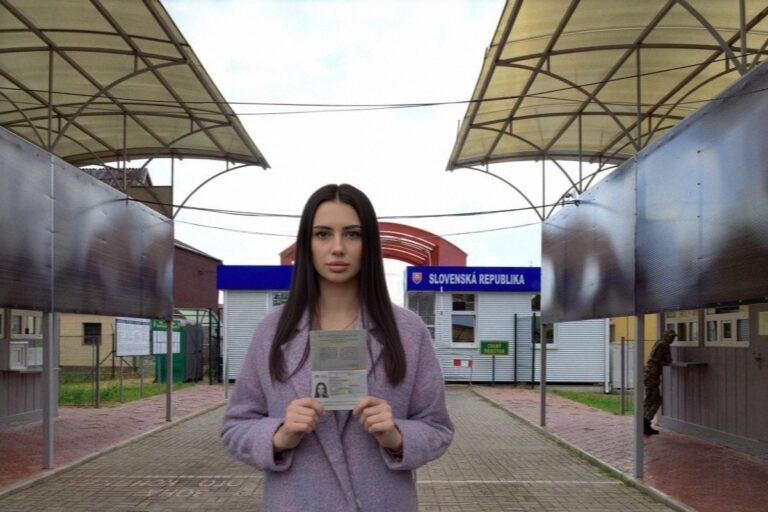
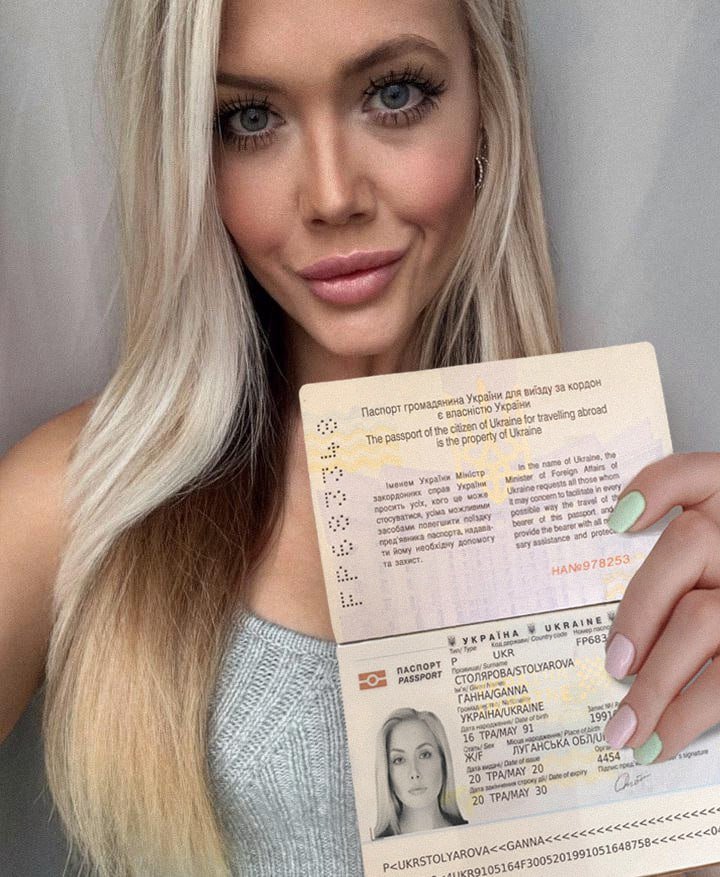
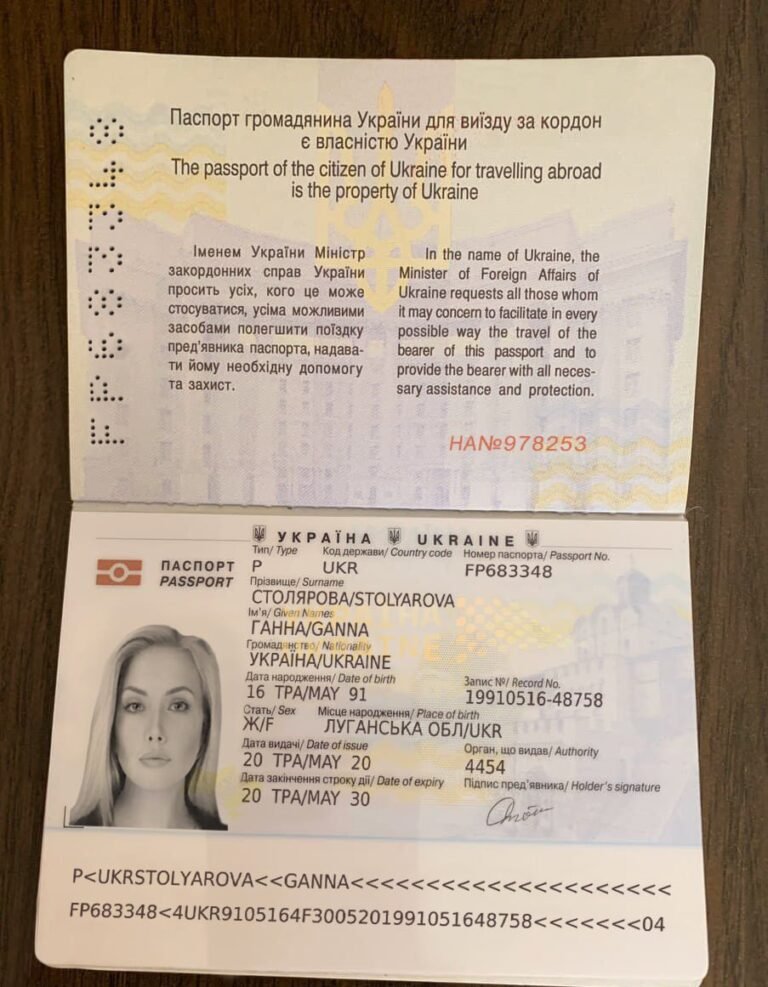
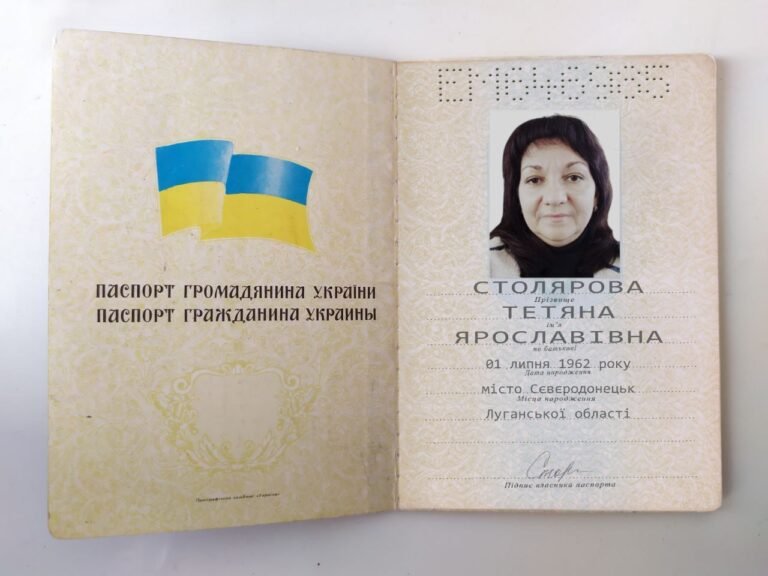
To reinforce credibility, she supplied copies of a Ukrainian international passport, a photograph of herself holding that passport, and a copy of her mother’s passport. These documents were used specifically to counter doubt and override suspicion. However, the use of such materials is well documented in organized romance scams, where documents are frequently forged, stolen, or misused. In this case, the identity presented online does not correspond to official Ukrainian records, confirming intentional deception.
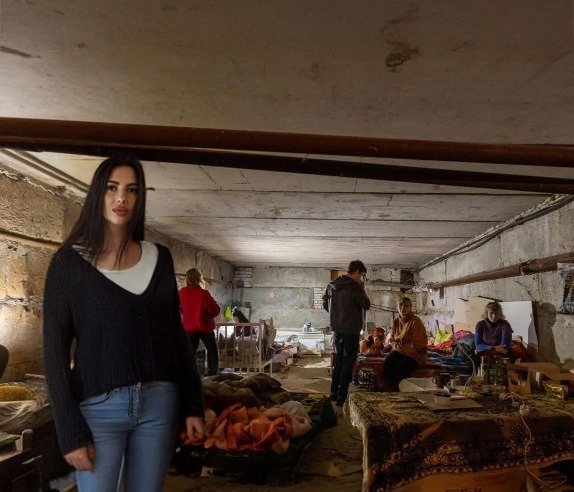
A central manipulation tactic involved her repeated claims that she was living in a war zone and that she feared for her own life and for the life of her mother. She repeatedly referred to massive Russian bombings allegedly taking place in the region where she claimed to be residing, insisting that death could occur at any moment. These statements were used deliberately to create fear, urgency, and emotional distress.
It must be stated clearly and unequivocally that the plaintiff did not want to lend or send any money and was, from an early stage, convinced that Ganna Stolyarova was a scammer. He expressed his doubts explicitly, refused several times to send funds, and communicated his suspicion openly.
Despite this, Ganna Stolyarova insisted repeatedly. She intensified her pressure by framing the situation as a matter of survival, stating that both she and her mother could be killed at any time if help was not provided. She deliberately made the plaintiff feel morally responsible for their potential deaths, thereby weaponizing fear, guilt, and empathy to override his refusal.
She ultimately claimed that a single, final payment would resolve the situation and allow her to travel to France to live with the plaintiff. This promise of relocation and cohabitation was presented as the last step before starting a life together.
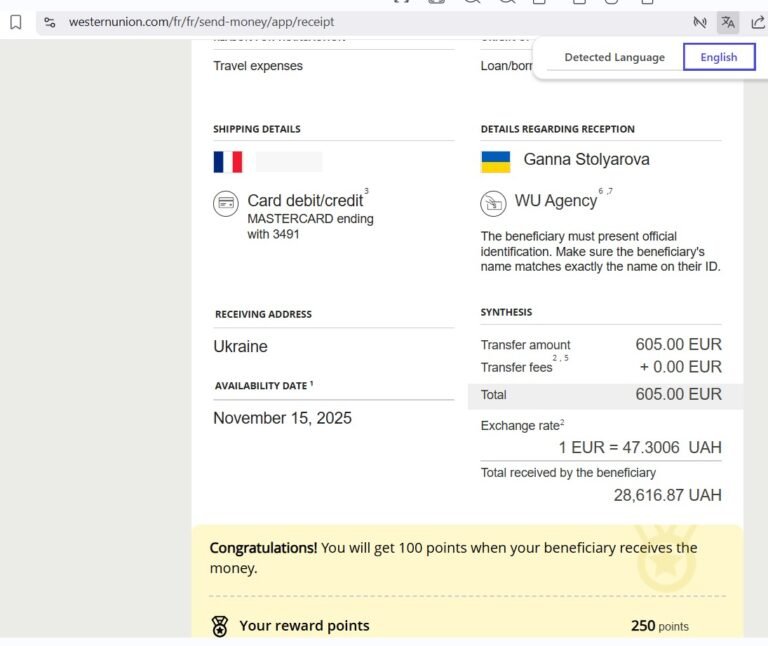
Under this sustained psychological pressure, and not as a voluntary act, the plaintiff transferred €605 via Western Union.
This point is critical. Western Union transfers require the recipient to physically present themselves at a Western Union affiliate location to collect the funds, usually with identification and verification procedures. This confirms that the scammer personally went to a Western Union pickup point to receive the money, creating a traceable transaction record.
A clear deadline was set by Ganna Stolyarova, by which she claimed that the issue would be resolved and that concrete steps toward relocation would occur.
That deadline was not respected.
No travel occurred. No administrative resolution was provided. No credible explanation followed. Immediately after the money was collected, her behavior changed markedly. The affectionate and reassuring tone disappeared, delays multiplied, and communication became evasive.
Despite repeated requests, she never showed any willingness to reimburse the money she stole from the plaintiff. No repayment proposal, no partial refund, and no concrete reimbursement plan were ever offered. This complete absence of intent to reimburse further confirms fraudulent intent, not a temporary financial difficulty or failed personal plan.
When pressed for accountability or transparency, she avoided direct answers and progressively disengaged. No legitimate or verifiable alternative—such as official travel documentation or direct payment of lawful fees—was ever proposed. The entire scheme relied on private cash transfers and emotional coercion.
The facts establish a classic romance scam structure:
Emotional bonding and trust-building
Crisis narrative involving war, bombings, and fear of death
Presentation of identity documents to suppress suspicion
Repeated refusal by the victim and explicit suspicion of fraud
Persistent pressure and emotional blackmail
Promise of relocation with a stated deadline
“One-time” urgent money request via Western Union
Missed deadline and behavioral shift after cash pickup
Refusal to reimburse and evasive conduct
Legal and Administrative Actions
The plaintiff intends to pursue formal legal action in multiple jurisdictions.
A complaint will be filed with the Ukrainian Embassy and the Ukrainian Consulate in France, in order to formally report the misuse of Ukrainian identity documents and the fraudulent conduct described in this case.
In parallel, the plaintiff will file a criminal complaint for fraud at the local police precinct in his country of residence.
Additional reports will be submitted to international and specialized law-enforcement bodies, including Interpol, as well as other authorities actively engaged in combating online fraud, financial scams, and organized cybercrime.
Furthermore, the plaintiff will file a formal complaint with the competent local justice court in Ukraine, seeking judicial review of the facts, recognition of the fraud, and appropriate legal action under Ukrainian law.
These steps are intended to ensure full documentation of the offense, enable cross-border cooperation, and help prevent further victims from being targeted using the same methods.






















Second Romance Scam Report – Dina Kalinichenko
Identity declared by the scammer:
Name: Dina Kalinichenko
Date of birth: 2 January 1996
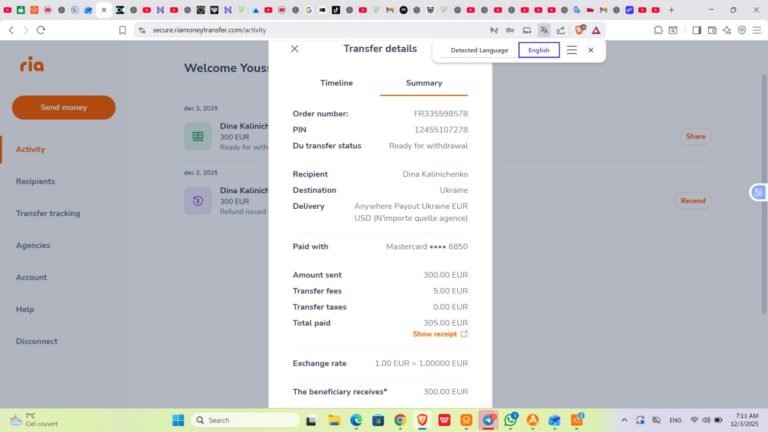
This case concerns a Ukrainian romance scam involving Dina Kalinichenko, who targeted the plaintiff using war-related fear narratives, emotional manipulation, and repeated financial pressure.
Dina Kalinichenko claimed that she was living in Mariupol and repeatedly stated that she feared for her own life and for the lives of her mother and younger sister. She described the situation as critical and imminent, insisting that remaining in Mariupol exposed them to a constant risk of death.
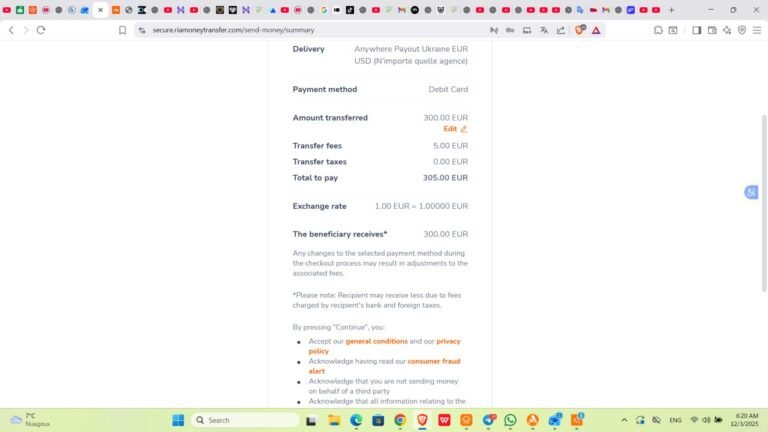
She asserted that the only viable solution was an urgent relocation from Mariupol to Lviv, where she claimed that an aunt lived and could temporarily accommodate them. She initially requested €300, presenting this amount as strictly necessary to allow herself, her mother, and her younger sister to leave Mariupol safely.
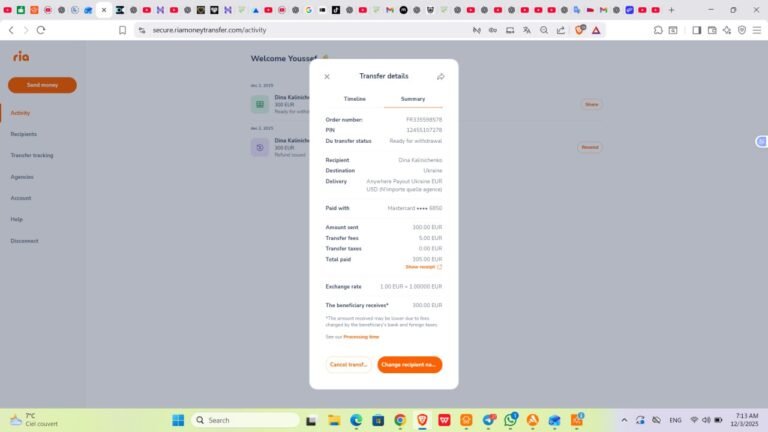
Under the emotional pressure created by this narrative, the plaintiff sent €300. At that time, he clearly and explicitly stated that:
this payment was exceptional,
it was made solely to help with relocation, and
no additional money would be sent if further requests were made.
Shortly afterward, Dina Kalinichenko contacted the plaintiff via Telegram, claiming that transportation prices had suddenly increased and that she was now missing additional funds. The plaintiff refused to send more money and reiterated his position.
Despite this refusal, Dina Kalinichenko persisted. She claimed that she already had some money herself and that an additional €234 would be sufficient to complete the journey. This request was framed as minor, temporary, and strictly necessary to avoid danger.
Although highly skeptical and already convinced that Dina Kalinichenko was likely a scammer, the plaintiff ultimately agreed to send the additional €234, under sustained emotional pressure.
After receiving this second transfer, Dina Kalinichenko stated that she had reserved seats for transportation from Mariupol to Lviv, allegedly scheduled for the following day.
Approximately six hours later, she claimed that the journey had begun but that authorities had stopped them at a checkpoint and refused entry into the next zone. She alleged that an additional payment of €100 per person was suddenly required.
At this stage, the plaintiff had clear confirmation that Dina Kalinichenko was lying and engaging in fraud. He categorically refused to send any further money.
Following this refusal, Dina Kalinichenko escalated her narrative, claiming that the transporter had abandoned her, her mother, and her sister at the border, allegedly because an extra €300 was required to allow them to cross.
The plaintiff categorically refused again.
At this point, Dina Kalinichenko’s behavior changed abruptly. She insulted the plaintiff, stated that she did not care at all, and explicitly told him to “go fuck himself.” This sudden shift from distress and emotional dependency to hostility is a recognized indicator of professional romance fraud, occurring when financial extraction fails.
Manipulation of Identity and Visual Evidence
The plaintiff is in possession of images of Dina Kalinichenko’s passport. She refused to share the passport in a normal, verifiable manner, instead using a messaging feature described as “first time and only one view,” clearly intended to prevent proper examination, saving, or independent verification.
Anticipating deceptive intent, the plaintiff used a second mobile phone to photograph the passport images while they were displayed. This conduct indicates a deliberate attempt by Dina Kalinichenko to control access to identity documents and obstruct verification.
In addition, the plaintiff possesses multiple photographs of Dina Kalinichenko herself, received during their exchanges. These photographs, together with the passport images and chat records, constitute material evidence linking the online profile, the identity claims, and the financial requests to the same individual.
The deliberate restriction of document visibility, combined with selective sharing of personal photographs, is consistent with organized romance-scam practices and further confirms intentional fraud rather than good-faith interaction.
Summary of Fraud Pattern
This case demonstrates a complete and coherent scam structure:
Claim of residence in a war zone
Fear narrative involving close family members
Initial “one-time” emergency payment
Immediate post-payment cost increase
Second transfer framed as minor and final
Fabricated travel and checkpoint obstacles
Escalating demands after refusal
Hostile behavior once manipulation failed
Deliberate obstruction of identity verification
Existence of photographic and documentary evidence linking the scammer to the fraud




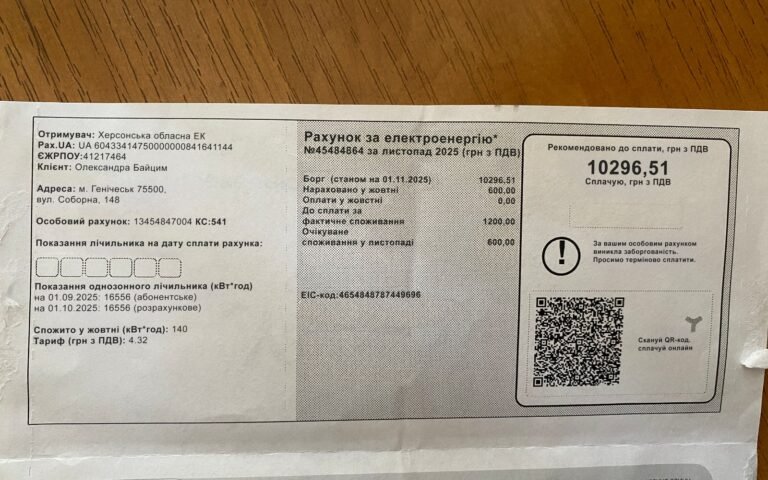
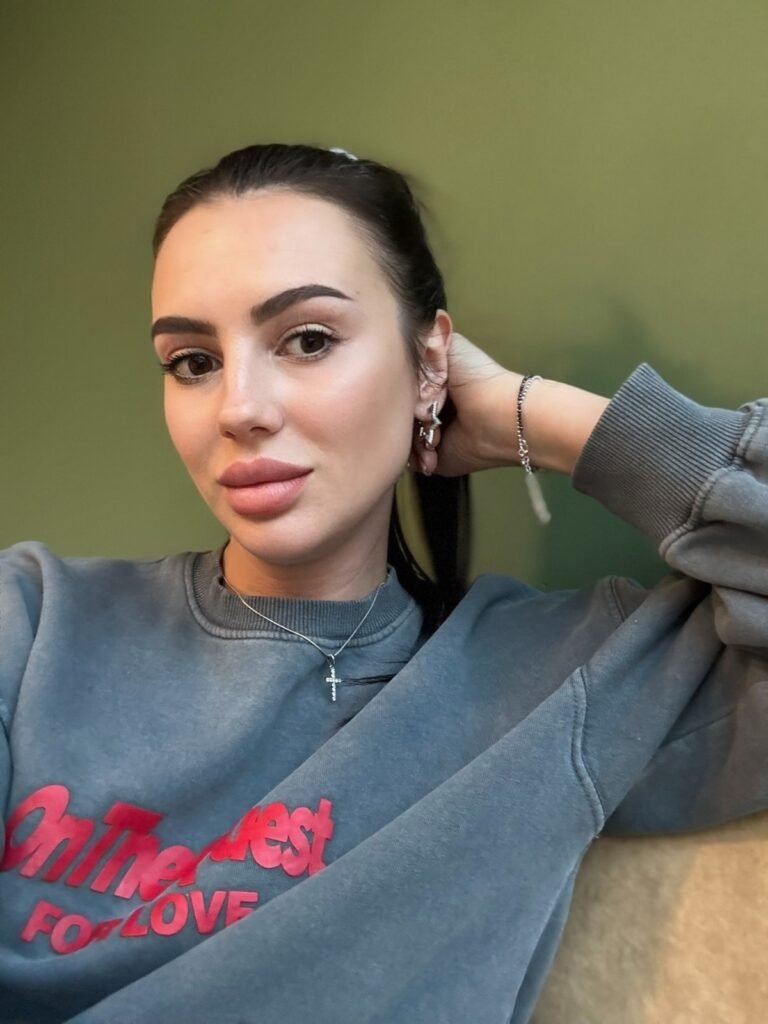
Oleksandra Baitsym
Romance Scam Report – Oleksandra Baitsym
Identity declared:
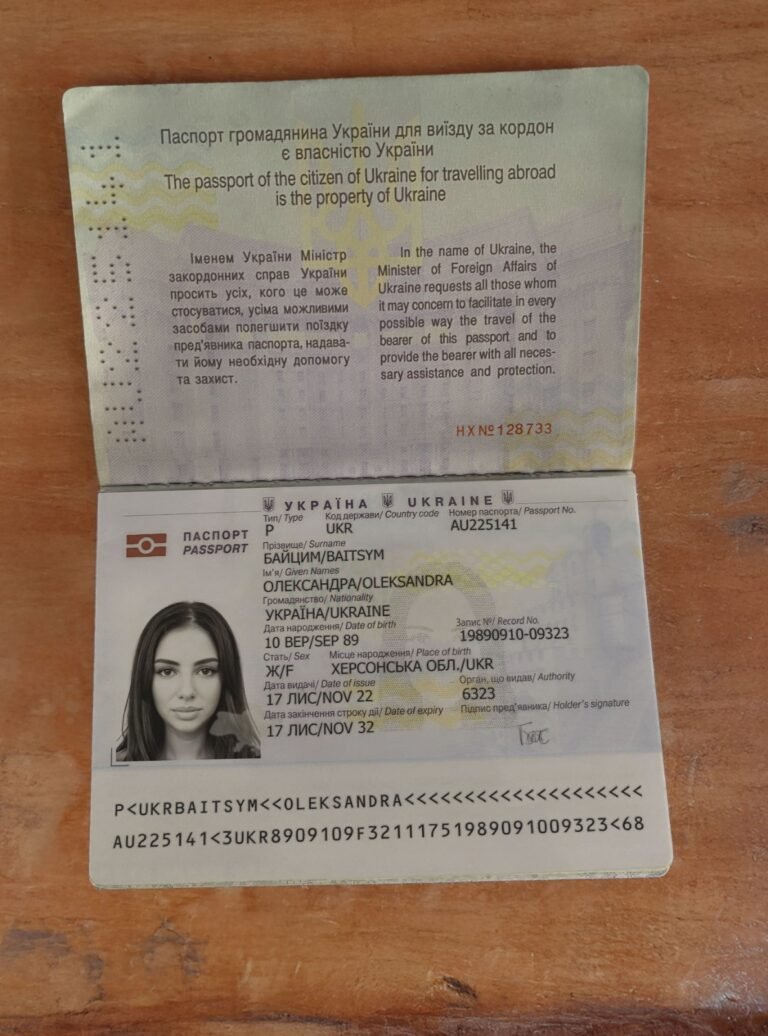
Name: Oleksandra Baitsym
Email address used: baitsumsasha@gmail.com
This report concerns an individual identifying herself as Oleksandra Baitsym, who engaged in direct communication with the plaintiff using the above email address. The case is documented in the context of suspected online romance scam activity, with confirmed financial transactions.
Financial Transactions
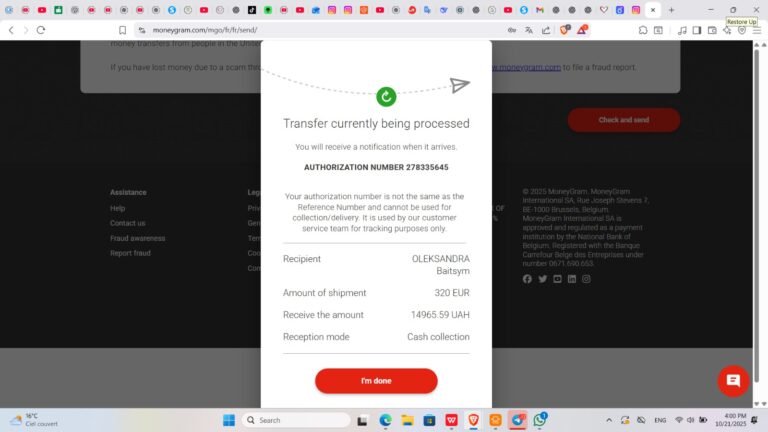
The plaintiff made three separate payments to Oleksandra Baitsym during the course of the exchanges.
- The third and most recent payment was made via PayPal.
The PayPal compliance and fraud-prevention team is currently conducting an internal reviewof this transaction. This review is ongoing, with the objective of determining whether the payment can be reversed and reimbursed to the plaintiff.
Reporting to Money-Transfer Services
In parallel, the plaintiff has taken proactive steps to limit further harm and prevent additional victims. The following money-transfer services have been formally informed of the suspected fraudulent activity associated with Oleksandra Baitsym:
- MoneyGram
- Western Union
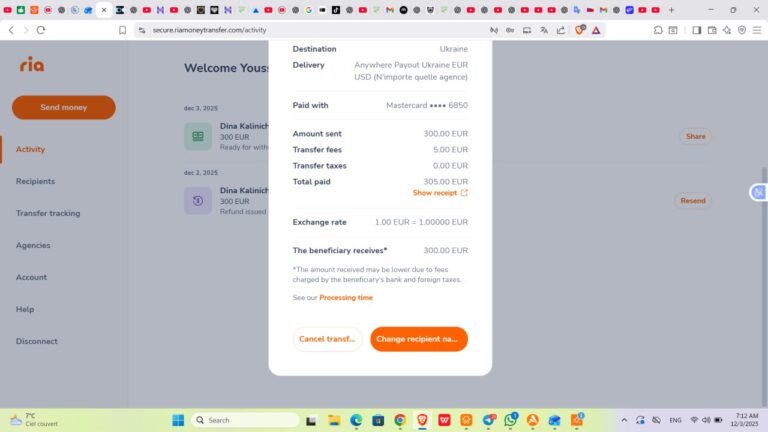
- Ria
Each of these entities has been alerted to the suspected scam behavior and has been requested to permanently ban the individual involved, in accordance with their anti-fraud and compliance policies.
Status of the Case
This report reflects confirmed financial activity and active remediation efforts. It remains open and will be expanded as additional facts are established, including:
- the circumstances under which the payments were requested,
- any emotional pressure or false narratives used,
- any documents or photographs shared, and
- the final outcome of the PayPal investigation.
All communications, payment records, and correspondence with payment providers are being preserved as evidence for potential use in administrative, civil, or criminal proceedings.